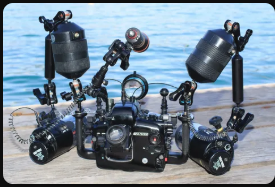
Every rental package is assembled with a working dive in mind rather than as a shelf inventory transaction. Housings are checked for fit, closures are reviewed, controls are tested, ports and arms are matched, and batteries or chargers are allocated according to the shoot length and lighting load. This preparation reduces the chance of wasted time during pickup and helps clients arrive at the water with gear that is already logically configured. For divers and production teams, that translates into more confidence during descent, less surface troubleshooting, and a better chance of capturing valuable behavior, action, or environmental detail while conditions remain favorable.
Not every underwater assignment needs the largest housing or the brightest light heads, so we help shape kits around water visibility, diver mobility, subject distance, and output expectations. A macro-focused session, a training dive recap, and a wider cinematic reef pass each benefit from different equipment balance. By planning around conditions instead of assumptions, we help clients avoid excessive drag, unnecessary bulk, or underpowered lighting. The result is a more agile setup that supports smoother swimming, steadier framing, and more consistent decision-making underwater where dexterity, buoyancy, and reaction time are limited.
A strong rental experience depends on understanding, not guesswork, so we provide clear guidance on sealing routines, pre-dive checks, battery planning, light positioning, and post-use care. Clients can review the practical handling points that matter most to the selected setup, which is especially valuable for operators transitioning to a new housing platform or adding lights and monitors to a compact rig for the first time. This concise but useful orientation helps reduce hesitation on the boat or shoreline and allows teams to work more efficiently once submerged, with better awareness of how to protect both equipment and footage quality.
Some clients need a compact weekend package for recreational diving in the calanques, while others require multi-day support for commercial filming, instruction, vessel documentation, or environmental surveying. Our structure is designed to accommodate different durations and production rhythms without making the process feel rigid. Rental planning can account for pickup timing, staged returns, accessory additions, and practical operational needs linked to the shoot window. This flexibility is useful for changing marine schedules, weather-driven adjustments, and teams that must coordinate talent, boats, permissions, or multiple dive slots across several days.
Our clients range from individual divers and instructors to agencies, scientific observers, hospitality brands, and marine tourism operators, so our recommendations consider very different levels of experience and production pressure. A recreational shooter may need simplicity and handling ease, while a commercial crew may prioritize modular rigging, stronger lights, and output consistency across multiple takes. By understanding these differences, we can guide each customer toward equipment that suits both capability and ambition. This broad usability makes the service practical for one-off image capture as well as repeat professional work in changing underwater environments.
Being based in Marseille makes the service convenient for coastal dives, port-side productions, charter collaborations, and fast preparation for Mediterranean assignments. Clients can organize gear collection with less transit friction and begin their shoot planning closer to the actual point of departure. For local and visiting teams alike, that improves scheduling efficiency and reduces the logistical strain that often comes with transporting sensitive underwater systems over longer distances. In practice, proximity helps preserve momentum: less time managing transport, more time refining the dive plan, checking conditions, and capturing the images the project depends on.